Standby Generator or Portable With a Transfer Switch: What's the Real Difference
Both options can keep your house running through an outage, but they work, and they need to be handled, very differently.
September 22, 2026 · 3 min read
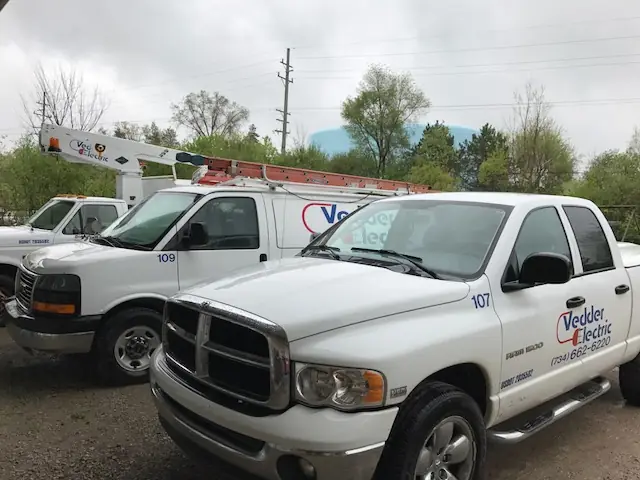
Two Ways to Handle a Power Outage
When the power goes out, most homeowners are choosing between two approaches: a fully automatic standby generator, or a portable generator connected through a transfer switch. Both can keep the lights and the essentials running. They just get there in very different ways.
Automatic Standby Generators
A standby generator is installed permanently outside the home and runs on natural gas or propane. It senses an outage on its own, starts itself, and transfers the house over automatically, usually within seconds. As long as fuel keeps flowing, it keeps running, which makes it a good fit for anyone who travels often or isn't always home when the power drops.
Portable Generators With a Transfer Switch
A portable generator runs on gasoline, needs to be started and refueled by hand, and should be connected to the home's panel through a transfer switch rather than run into random outlets. The transfer switch is what makes this safe. It physically isolates the generator fed circuits from the utility line, so the generator can't send power backward out of the house. Without a transfer switch, backfeeding a generator into a home's wiring, for example by plugging it into a dryer outlet, is genuinely dangerous. It can send live current back out along utility lines that repair crews expect to be dead.
Sizing Either Option to Your House
Neither a standby unit nor a portable generator is one size fits all. A standby generator can be sized to run a home's essential circuits, like the furnace, the refrigerator, and some lighting and outlets, or sized larger to cover most or all of the house, depending on what's installed. A portable generator paired with a transfer switch is usually set up to run a chosen set of circuits rather than the whole panel, since portable units have real limits on how much they can put out at once. Either way, the sizing conversation has to start with what's actually installed in the house, not a guess.
The One Rule That Doesn't Bend
Gasoline generators cannot be run indoors or within any enclosed space. Not in a garage with the door cracked open, not on an enclosed porch, not in a basement. Portable generators produce carbon monoxide, and running one anywhere near enclosed living space is a real life safety hazard, not a suggestion to shrug off. If you're using a portable generator, it runs outdoors, away from windows and doors, every single time.
Fuel and Upkeep
A standby generator connected to natural gas or propane doesn't depend on you remembering to store fuel, since it draws from the same gas line or tank already serving the house. A portable generator runs on gasoline that has to be stored, rotated, and kept on hand before an outage happens, not after, since gas stations can lose power right along with everything else during a serious storm. Both types benefit from being started up and run periodically even when there isn't an outage, the same way any engine that sits unused for months tends to develop problems right when it's finally needed. Neglecting that basic exercise is one of the more common reasons a generator that seemed fine in storage fails to start during the one week a year it actually gets called on.
Which One Fits Your House
In general terms, a standby generator suits a household that wants an outage handled automatically, especially if no one's always around to manage it. A portable generator with a transfer switch is a lower cost setup that still gives you a safe way to power the important circuits in your house, as long as someone's home to run it and keep it fueled during the outage. Neither choice is inherently the wrong one. The better fit comes down to how the house is used day to day and how much hands-on involvement someone wants during an outage.
Getting It Wired In Safely
Whichever direction fits your house, the safe way to connect either option is through a properly installed transfer switch, not an extension cord run through a cracked window. Vedder Electric installs fully automatic natural gas and propane standby generators, along with transfer switches for portable units, for homes around Ann Arbor. Call 734-662-6220 to talk through what makes sense for your situation.
Vedder Electric, 734-662-6220
Call 734-662-6220More articles
Lost Power in Part of Your Kitchen or Bathroom? Check This First
One tripped outlet can take down every outlet wired after it on the same circuit, and the fix is usually a button, not a service call.
100, 150, or 200 Amp Service: Has Your Ann Arbor Home Outgrown Its Panel?
Amp service is the ceiling on how much your house can run at once, and a lot of Ann Arbor homes are quietly bumping into it.